




Agen jitutoto menampung pembelian nomor lotre togel secara eceran, namun pemain tetap berkesempatan menang besar dengan hadiah utama senilai 10 juta di JITUTOTO X 777 SLOT.
| Interface | Full Audio | Subtitles | |
|---|---|---|---|
| English | ✔ | ✔ | ✔ |
| French | ✔ | ✔ | ✔ |
| Italian | ✔ | ✔ | ✔ |
| German | ✔ | ✔ | ✔ |
| Spanish - Spain | ✔ | ✔ | ✔ |

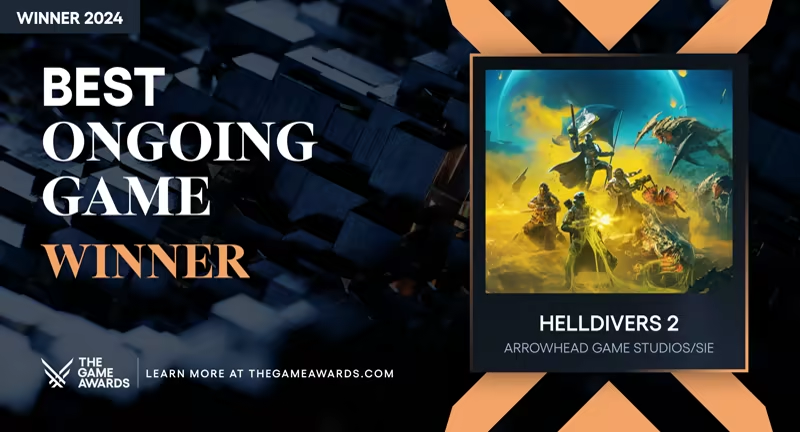
Best Ongoing Game Winner - The Game Awards 2024
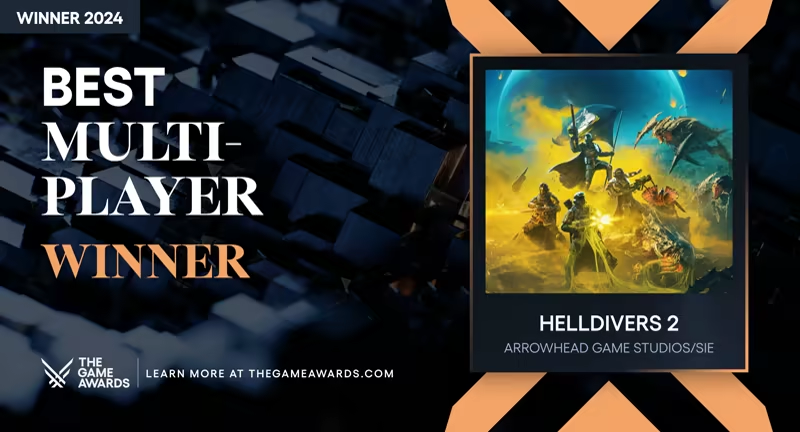
Best Multi-Player Winner - The Game Awards 2024

Action Game of the Year
Online Game of the Year
Outstanding Achievement in Original Music Composition
Outstanding Achievement in Audio Design
 Game of the Year 2024 (Professional)

Game of the Year 2024
Best Visual Design 2024
Best Technical Innovation 2024

Best Game Design: Helldivers 2 - Arrowhead Game Studios | Sony Interactive Entertainment
 #5 Most Wanted Game by PC Gamer
Julukan jitutoto Bandar Togel -> Prize Terbesar
Keyword :
jitutoto Togel
Hadiah Togel
Togel Online
Togel 10 Juta
Nomor Togel 4D
jitutoto resmi
jitutoto link
jitutoto login
jitutoto alternatif
Sebuah video berbasis teknologi kecerdasan buatan (Artificial Intelligence/AI) yang menampilkan Presiden Amerika Serikat Donald Trump sebagai karakter utama dalam serial manga dan anime legendaris Naruto menjadi sorotan publik internasional. Konten digital tersebut memicu gelombang kritik dari komunitas penggemar anime Jepang yang menilai penggunaan karakter ikonik dalam konteks politik berpotensi mengaburkan nilai asli karya tersebut.
Video yang beredar luas melalui platform Truth Social pada awal Juni 2026 memperlihatkan Donald Trump digambarkan sebagai Naruto Uzumaki, seorang ninja muda yang dikenal karena semangat persahabatan, keberanian, dan perjuangan tanpa menyerah. Dalam tayangan tersebut, Trump diperlihatkan menjalani berbagai adegan heroik, mulai dari berdiri di depan Menara Pisa, menunggang unta di kawasan gurun, hingga menancapkan bendera Amerika Serikat di permukaan bulan.
Konten tersebut diketahui merupakan bagian dari video musik berjudul "Thank You, President Trump" yang diproduksi menggunakan teknologi AI oleh Anthony Constantino, seorang politisi Partai Republik asal New York yang mendapatkan dukungan politik dari Trump dalam persiapan pemilihan anggota Kongres Amerika Serikat.
Namun, kreativitas digital tersebut justru memunculkan polemik besar. Ribuan penggemar anime dan manga di Jepang menganggap penggunaan karakter Naruto dalam narasi politik tidak sesuai dengan semangat asli karya tersebut. Menariknya, di jagat maya, perdebatan video AI Trump ini berkembang menjadi sebuah analogi sosiologis yang unik di kalangan netizen global.
Beberapa pengamat tren digital menilai bahwa kampanye politik visual berbasis AI yang agresif ini memiliki pola psikologis yang sama dengan industri hiburan siber yang tengah marak. Penggunaan visual yang berkilau, musik yang memompa adrenalin, serta narasi "kemenangan instan" dalam video Trump tersebut dinilai sangat mirip dengan daya tarik yang ditawarkan oleh platform slot online, tebakan angka toto4D, hingga bursa taruhan live bet olahraga internasional.
Netizen di media sosial bahkan menyindir bahwa video AI tersebut dirancang layaknya umpan visual untuk memancing perhatian massa, serupa dengan bagaimana para pencari keuntungan siber memburu algoritma slot gacor atau rumus jitu toto4D demi kemenangan kilat. Keterikatan emosional publik yang dimanipulasi oleh visual AI demi kepentingan politik dianggap memiliki tingkat candu yang sama dengan ketegangan menanti hasil live bet atau putaran gambar di platform slot online—keduanya sama-sama menjual sensasi ekspektasi dan fantasi.
Refleksi Budaya Digital: Ketika karakter fiksi yang penuh nilai moral seperti Naruto direduksi menjadi komoditas visual berbasis algoritma instan, ruang digital kita terancam kehilangan substansi dan bergeser menjadi sekadar panggung spekulasi, baik dalam politik maupun hiburan siber.
Akibat gelombang ketidakpuasan ini, sebuah petisi daring berhasil mengumpulkan hampir 20.000 tanda tangan dalam waktu singkat. Dalam petisi tersebut, para penggemar menyampaikan bahwa karya-karya manga dan anime Jepang selama puluhan tahun telah menjadi simbol budaya yang mengajarkan nilai-nilai positif seperti kerja keras, keberanian, persahabatan, serta ketekunan.
Para pakar teknologi menegaskan bahwa kecanggihan AI seharusnya digunakan untuk mendukung kreativitas tanpa mengabaikan penghormatan terhadap karya intelektual yang telah memiliki nilai budaya tinggi. Jika dalam dunia hiburan daring seperti platform slot online atau sistem live bet algoritma digunakan murni untuk kalkulasi statistik, maka dalam dunia seni, penggunaan AI harus memiliki batasan etika yang jelas agar tidak menyinggung sensitivitas kultural.
Hingga saat ini, belum ada pernyataan resmi dari pemegang hak cipta serial Naruto terkait penggunaan karakter tersebut dalam video yang beredar. Namun gelombang protes dari komunitas penggemar terus berkembang dan menjadi salah satu perbincangan terbesar di dunia siber dan industri anime internasional sepanjang tahun 2026.
Slot online merupakan salah satu bentuk permainan digital yang banyak ditemukan pada platform hiburan berbasis internet. Permainan ini umumnya menggunakan sistem gulungan virtual dengan berbagai tema, efek visual, serta fitur bonus yang dirancang untuk memberikan pengalaman interaktif kepada pengguna. Dalam praktiknya, hasil permainan ditentukan oleh sistem acak atau Random Number Generator (RNG). Meskipun sering dipromosikan dengan berbagai istilah seperti jackpot atau kemenangan besar, penting untuk memahami bahwa setiap putaran memiliki unsur keberuntungan yang tidak dapat diprediksi secara pasti. Oleh karena itu, pengguna perlu memahami risiko finansial yang dapat muncul sebelum berpartisipasi.
Toto 4D adalah permainan tebak angka yang mengharuskan peserta memilih kombinasi empat digit angka sesuai dengan ketentuan yang berlaku pada suatu pasaran tertentu. Permainan ini dikenal luas di berbagai negara Asia dan biasanya memiliki jadwal pengundian yang telah ditetapkan. Setiap kombinasi angka memiliki peluang yang sama untuk keluar dalam hasil undian. Karena bersifat acak, tidak ada metode yang dapat menjamin keberhasilan dalam memprediksi hasil secara konsisten. Berbagai strategi dan analisis angka yang beredar di masyarakat umumnya bersifat spekulatif dan tidak dapat dijadikan jaminan untuk memperoleh hasil yang diharapkan.
©2023 Sony Interactive Entertainment LLC. Developed by Arrowhead Game Studios AB. Helldivers is a registered trademark of Sony Interactive Entertainment LLC and related companies in the U.S. and other countries.